Written for Clinic owners · Practice managers · Med spa operators
Every clinic owner knows the pattern: phones ring during patient hours, voicemails stack up, and new inquiries book with whoever answers first, often a competitor. The fix is not another front-desk hire. It is CRM and intake automation.
Automate online booking
Let patients self-schedule from Google, your site, and recall emails. Booking should write directly to your CRM with service type, location, and source so staff see context before the call back.
Digitize intake before the visit
Send intake links after booking confirmation. Data should land in the CRM, not a PDF inbox, so clinicians walk in with history, insurance flags, and consent already captured.
Run SMS reminders and recall
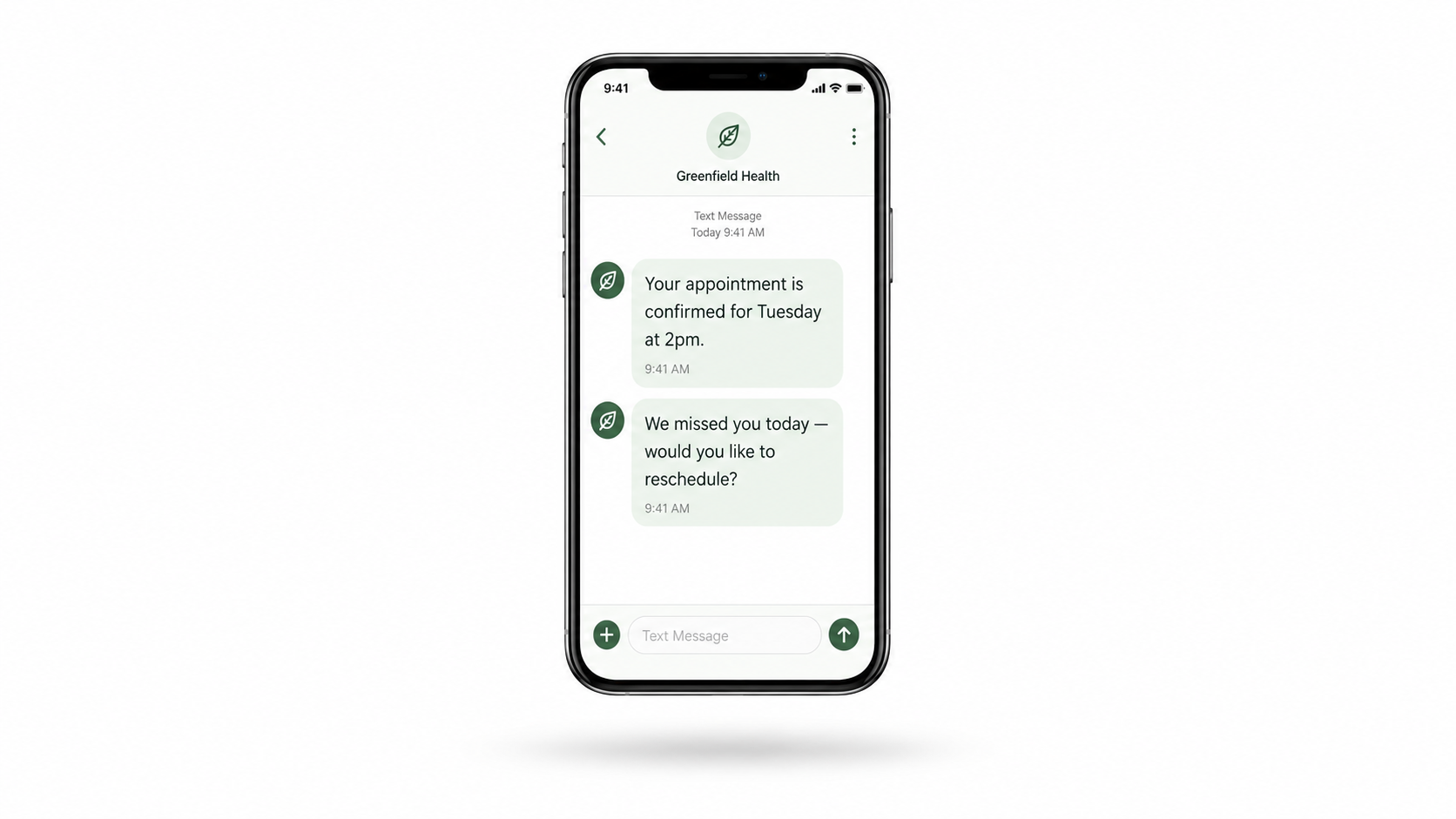
Timed SMS reminders cut no-shows. Recall sequences bring hygiene and follow-up appointments back without manual phone tag. Measure no-show rate weekly; it is the fastest ROI metric for automation.
Trigger reviews and overflow coverage
Review requests should fire after the visit via reputation automation, not when someone remembers to ask. Pair with an AI receptionist for after-hours and overflow calls so inquiries never hit voicemail.
Measure booking rate, no-show rate, and average response time weekly. Clinics that automate these three metrics typically recover capacity without adding front-desk headcount within the first month.
The Clinic Intake Automation Stack
Front-desk teams cannot scale linearly with marketing spend. The Clinic Intake Automation Stack wires booking, intake, reminders, recall, and reviews so inquiries never wait for a free moment between patients. We deploy this on healthcare and wellness engagements with CRM pipeline automation at the center, not another disconnected app.
Booking that writes to the CRM
Self-serve scheduling should capture service type, location, insurance flags, and marketing source before anyone calls back. Google Business Profile booking links and site widgets must land in the same pipeline. When staff open a record, they see context, not a blank name and phone number.
Intake before the waiting room
Send secure intake links in the confirmation email. Data should populate the CRM and, where integrated, prep the clinical record. Patients who complete forms at home reduce check-in time and errors. Staff focus on care, not clipboard chasing.
Clinics we automate typically cut no-shows twenty-two percent within sixty days after SMS reminders and online rescheduling go live, equivalent to adding chair time without extending hours.
Every voicemail during patient hours is a new patient booking with the practice that picked up.
Overflow without another hire
Pair automation with an AI receptionist for after-hours and peak overflow. Missed-call text-back captures the caller who would not leave voicemail. Measure booking rate, no-show rate, and median response time weekly, those three metrics tell you if the stack is working.
Multi-location routing
Clinics with more than one location need source tagging and routing rules in the CRM, not a single shared inbox. Booking widgets should geolocate or ask location first so leads land with the correct calendar and staff notification. Marketing reports by location; operations sees the same pipeline.
Marketing and front desk alignment
Run a thirty-minute monthly review: ad spend by location, booking rate by source, no-show trend, review velocity. When marketing scales campaigns but booking rate flatlines, the leak is intake, not creative. Automation makes that visible instead of hiding it in voicemail.
- Confirm every ad landing page has booking or call CTA above fold.
- Verify intake links send before appointment, not day-of.
- Audit SMS opt-in language for compliance.
- Track median speed-to-first-touch on new patient inquiries.
Staff adoption and change management
Front desk teams resist tools that feel like surveillance. Frame automation as fewer voicemails to return, not big-brother metrics. Train on CRM views in thirty minutes: where bookings appear, how SMS threads show, when to escalate to clinical staff. Adoption determines ROI more than vendor selection.
Start with reminders and online booking before AI phone, quick wins build trust. Expand to review automation and overflow reception once the basics hold for thirty days without workaround spreadsheets.
Dental, med spa, and PT nuances
Dental practices lean on hygiene recall and insurance FAQ; med spas on consultation booking and package upsells; physical therapy on referral intake and authorization flags. The automation stack is the same, booking, intake, reminders, reviews, but sequence timing and SMS copy differ. Map patient journeys before configuring workflows.
Integrate with practice management when API access exists; otherwise treat CRM as marketing and scheduling source of truth with nightly exports. Perfect integration is rare; reliable reminders and capture are not optional.
Benchmark no-show rate against ten to fifteen percent industry norms. If you are above that after reminders, test message timing, offer easy reschedule links, and confirm numbers are SMS-capable. Small copy changes often beat new software.
Compliance and patient communication
Use HIPAA-eligible SMS and CRM vendors when messages might include appointment details tied to identifiable patients. Marketing broadcasts differ from clinical communication, keep them separate. Document opt-in at booking and offer clear opt-out on reminders. Compliance is not a reason to skip automation; it is a reason to configure templates and vendors correctly the first time.
Review message templates with counsel once, then let marketing iterate timing and tone within approved bounds. Consistent, compliant reminders beat ad hoc front-desk texts that vary by whoever is at the desk.
Staff adoption without resistance
Train front desk on the CRM inbox in thirty-minute sessions, show how automation reduces phone tag, not how it replaces jobs. When staff see fewer angry callback voicemails, adoption sticks. ZedNova clinic rollouts target live automation within three weeks because we wire booking and reminders before advanced AI features.
Publish a one-page playbook: who owns the CRM inbox, response SLAs, and escalation to clinical staff. Automation fails when ownership is ambiguous, not when software is missing features.
Re-measure no-show and response metrics thirty and sixty days after go-live. Clinics that hold gains through two review cycles rarely revert to manual-only scheduling, the ROI becomes obvious to clinical and front-desk leads alike.
Start with one location and one service line before rolling automation to every chair, prove the workflow, then expand templates.
| Fix | Problem | What to change | Metric affected | Tool or platform |
|---|---|---|---|---|
| 1. Online booking | Phone-only scheduling; hold times lose inquiries | Self-serve booking from site, Google, and recall emails | Online booking rate | Cal.com, HubSpot meetings, or Jane/Cliniko API |
| 2. Digital intake | Paper forms at check-in slow room turnover | Intake link in confirmation; data syncs to CRM | Pre-visit form completion | Typeform + CRM or native EHR bridge |
| 3. SMS reminders | No-shows above 10–15% | 48h + 2h reminders with confirm/reschedule | No-show rate | GoHighLevel, HubSpot SMS, or Twilio |
| 4. Recall sequences | Hygiene and follow-up not booked before patient leaves | Automated recall at 6–12 month intervals | Recall conversion rate | CRM workflows |
| 5. Post-visit reviews | Reviews depend on staff remembering to ask | SMS review request 24h after visit | New Google reviews / month | Podium, Birdeye, or GHL |
Frequently asked questions
HubSpot, GoHighLevel, and clinic-specific stacks all work if booking, SMS, and forms connect cleanly. We pick based on your call volume, locations, and what your team already uses.
Clinics typically see fifteen to thirty percent reduction when reminders fire at 48h and 2h before appointment with easy confirm/reschedule links. No-shows are a scheduling systems problem, not a staffing problem.
It can be when you use HIPAA-eligible tools, sign BAAs where required, and avoid putting clinical details in marketing SMS. We scope PHI boundaries in week one and separate clinical records from marketing automation.
When overflow calls hit voicemail during patient hours or after-hours inquiries book with competitors. AI handles intake, routing, and booking links; staff handle complex clinical conversations.
Trigger SMS or email sequences based on last visit date and service type in your CRM. Hygiene recall every six months and treatment plan follow-ups should not depend on front-desk memory. ZedNova clinic clients fill twelve to twenty percent more hygiene slots within ninety days of recall automation.
GoHighLevel when SMS, calendars, and missed-call text-back are day-one priorities. HubSpot when you need deeper marketing attribution and B2B-style nurture. Most single-location clinics start with GoHighLevel; multi-location groups often graduate to HubSpot for reporting.
Tagged
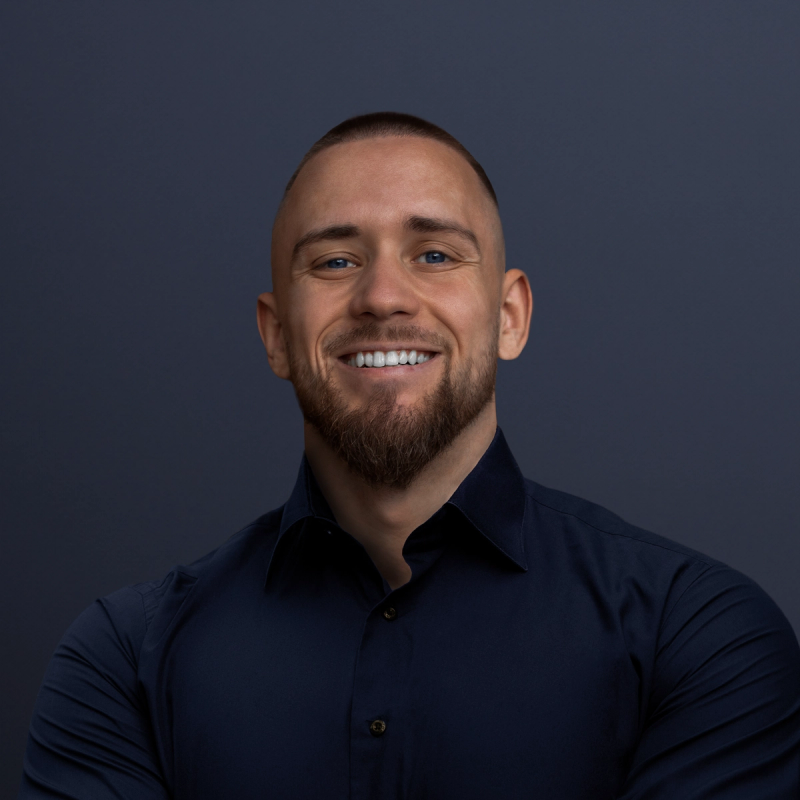
Zlatko Marjanovic
Founder & Lead Developer, ZedNova
Zed is a designer, developer, and systems thinker from Živinice, Bosnia. Over 10-plus years shipping products he has delivered more than 120 projects for clients across the United States.